Sight Words by Age: A Parent's Guide to the Words That Don't Sound Out
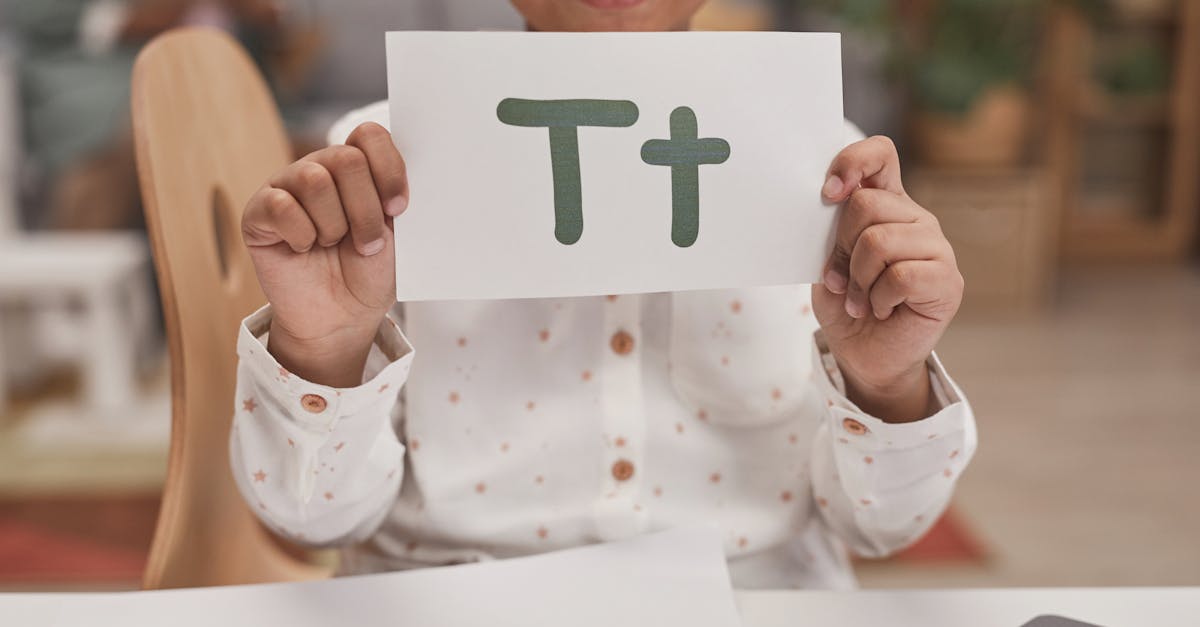
My five-year-old got stuck on the word "said" for a solid week. He could read "sat." He could read "sand." He could not read "said." And of course he couldn't, because "said" is one of those English words that breaks every phonics rule he had just spent six months learning, and nobody had thought to tell him that some words just have to be memorized.
Welcome to the world of sight words.
If you've been Googling "sight words" because someone — your kid's teacher, a parenting article, an app — keeps using the term and you're not entirely sure what they mean, this is for you. We've been through a couple of years of figuring this out the hard way with our two boys, and I wish someone had handed me a plain-English version when we started.
What Sight Words Actually Are
Sight words are the high-frequency English words a child needs to recognize on sight, without sounding them out. "The," "said," "was," "they," "of," "have." Words that show up everywhere, often follow no consistent phonics rule, and have to be memorized through repetition rather than decoded letter by letter.
The reason this category exists at all is that English is, frankly, a mess. It's a Germanic language wearing a French wig that picked up a Latin accent on the way home. The rules contradict each other. About half of all English text is made up of these high-frequency words, and a meaningful chunk of them don't decode cleanly. A kid who can sound out "cat" but stumbles on "the" hasn't got a foundation problem. They've got a sight word problem, and it's a different beast.
The two main lists you'll hear about are the Dolch list and the Fry list. They overlap a lot, but they answer slightly different questions.
The Dolch List
The Dolch list is the older, smaller, and most parent-friendly of the two. Edward Dolch put it together in 1936 by analyzing children's books and pulling out the 220 words that showed up most often. The list is grouped by grade level — Pre-K, Kindergarten, First, Second, Third — which makes it really easy to know what to introduce when. Almost every classroom in the English-speaking world has these words on a wall somewhere.
Pre-K Dolch is just 40 words. That's the whole list for ages 3 to 5. If your three-year-old learns to recognize "the," "and," "you," "I," and "see" on sight, that's a third of the Pre-K list right there. It feels manageable when you see how short it actually is.
The Fry list is the next step up. It's longer (1,000 words, organized in groups of 100), based on more recent text analysis, and useful when your child is past the Dolch list and reading independently. For most families with kids 3 to 7, the Dolch list is enough to be going on with. Worry about Fry later, if you worry about it at all.
The Year-by-Year View
Every kid is different. Pediatricians say it. Reading teachers say it. We say it too, because we have one kid who knew his sight words at four and another who didn't really click with them until he was almost six, and they're both fine. With that caveat firmly in place, here's roughly what we've seen and what most early-literacy resources line up with.
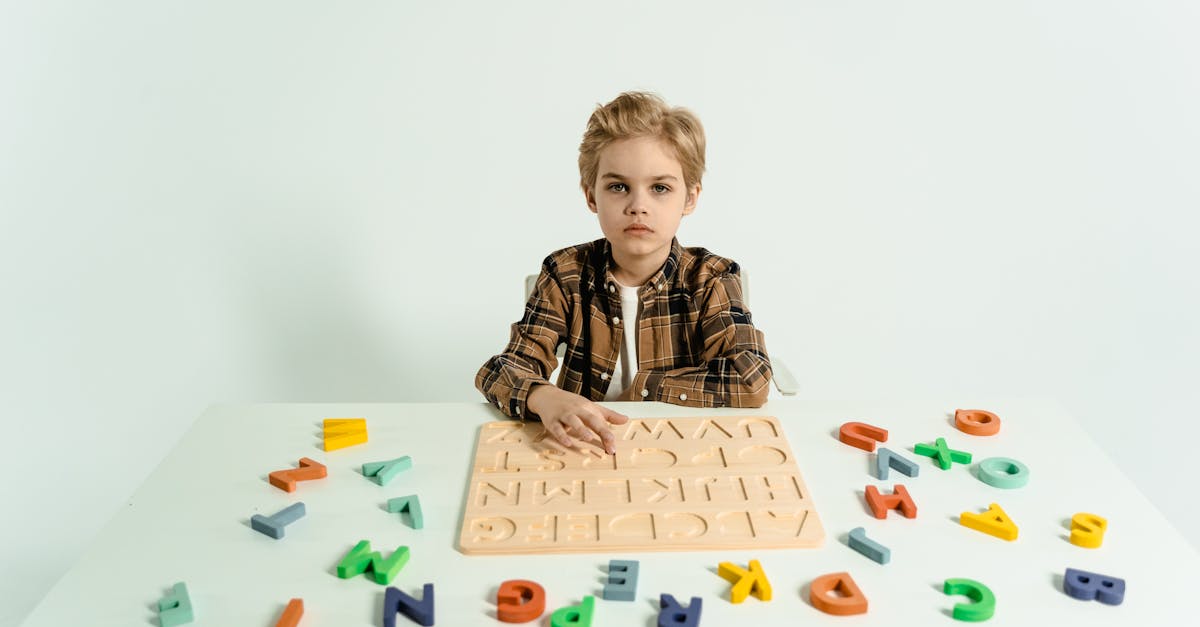 Photo: MART PRODUCTION / Pexels
Ages 3 to 4: Letter recognition first, sight words barely at all. This is the age where you're mostly working on the alphabet. If a few sight words sneak in — "the" from a favorite book, "I" because they see it everywhere — that's a bonus, not a goal. Don't push. The phonics foundation matters more right now, and you'll hand them sight words when they're a little ready.
Ages 4 to 5: First five to ten sight words. Pre-K Dolch territory. "I," "the," "and," "you," "see," "is," "to," "a," "go," "we." Kids in this band benefit hugely from seeing the same word in lots of different places — a book today, a cereal box tomorrow, a sign at the park the day after. Repetition without drill is the goal. If they read "I" on three different pages and you light up about it, they're learning.
Ages 5 to 6: Twenty to thirty words, building toward fluency. This is when sight words really start clicking. Kindergarten Dolch is the target — about 50 more words on top of Pre-K. Words like "said," "was," "have," "with," "they." This is also when the phonics-versus-sight-word balance gets interesting. Our older son was solidly into both at the same time around 5.5, sounding out new words while recognizing the high-frequency ones on sight, and the combination is what fluency actually looks like. We wrote about why both approaches matter and stop being rivals once you're inside them — that piece is the long version of "don't pick a side, use both," and the National Reading Panel's review of decades of literacy research backs the synthesis up.
Ages 6 to 7: Fifty to a hundred words, reading short sentences. First-grade Dolch and into Second-grade. By the end of this band, most kids can read a sentence like "I said we have to go" smoothly because every word in it has either been decoded or memorized. This is where sight word fluency starts to free up brain space for comprehension — your kid stops grinding through every word and starts noticing what the sentence actually says.
What I Wish I'd Known Earlier
A few things, looking back at the year we spent figuring this out.
Don't flashcard-bomb. I went through a phase of buying every sight word product I could find. Apps with flashing flashcards. Printable worksheets. Drilling. My son hated it, his accuracy got worse, and I genuinely think we set ourselves back a few weeks. Repetition through context — books, games, signs, conversation — works much better than repetition through drill. Reading Rockets on fluency has a lot to say about how sight word recognition develops as part of fluent reading, and once I read their stuff and stopped acting like a stress-coach, things got better fast.
Don't get hung up on the order. The Dolch list is grouped by grade level, but inside a level, the order doesn't matter much. If your kid latches onto "said" before they get "the," that's fine. The brain doesn't acquire these in alphabetical order, and forcing the sequence doesn't help.
Read together. A lot. This is the unglamorous one. The kids who acquire sight words fastest, in our circle, are the ones whose parents read aloud to them every night. The repetition is happening, but it's happening inside a story they care about. That's the version that sticks.
 Photo: Kindel Media / Pexels
Games are unfairly good at this. Once we let our older son play a reading game where each sight word appears on a tree, then on a chest, then on a bridge, the repetition that flashcards couldn't deliver started happening naturally. He saw "said" twenty times across one level. By the next level he didn't even pause on it. There's research on why this kind of repetition-through-play works so well, and it lined up exactly with what we saw at the kitchen table.
Common Stumbles (and How We Got Past Them)
The "said" wall I mentioned at the top — that lasted about a week. What actually broke it was reading a Mo Willems book where Pigeon says "said" on roughly every other page. By the third reading my son was rolling his eyes and saying "said" before I got there. Repetition with payoff.
Confusing similar words happens too. "Was" and "saw." "Of" and "off." Don't try to disambiguate by sounding them out — these are the words that don't sound out cleanly. Instead, point out where each one shows up in real reading, give them context, and trust the brain to sort it.
And kids will sometimes regress. A word they had at age 5 disappears at age 5 and a half, and you'll panic that they've lost it. They haven't. They're consolidating, and reading is genuinely non-linear. Hold steady, keep reading together, and the words come back stronger.
Sight Words by Age — Conclusion
Sight words exist because English is weird. The Dolch list is your starting point, the Fry list is the next step, and the year-by-year sequence is a guide rather than a schedule. The single most useful thing you can do across the whole 3-to-7 band is read aloud to your child, often, and let the words show up in real stories instead of on flashcards.
If your kid is stuck on a word for a week, that's okay. Ours was stuck on "said" and now he reads chapter books. The trajectory is rarely a straight line, but it does keep heading in the right direction if you keep doing the basics.
WordQuest's Reader mode introduces Dolch sight words inside an actual adventure — words appear on trees, chests, and bridges across the levels, and the repetition happens naturally inside the gameplay. Try Reader mode free in the Misty Isle and see what sight word practice looks like when it doesn't feel like drilling.