Gaming Is Good for Kids, Actually
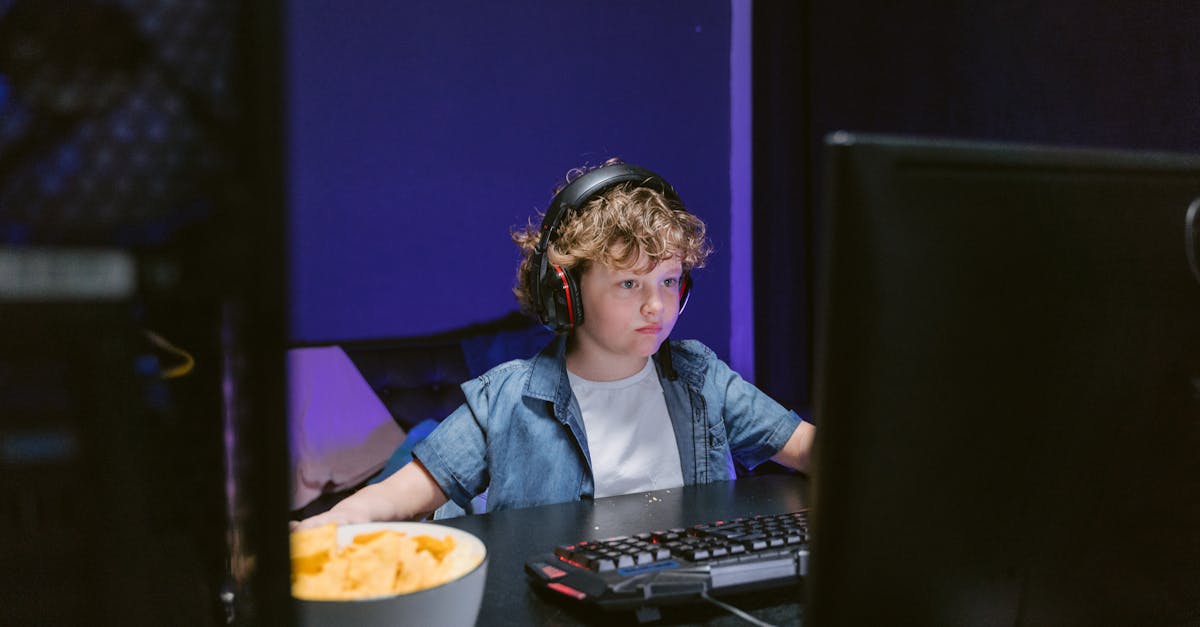
Your kid wants to play video games. You want them to learn to read. What if I told you those two things aren't in conflict?
There's a persistent belief that games and learning exist on opposite ends of some spectrum. That screen time is the enemy of literacy. That if your child is holding a tablet, they should be doing something educational, and if they're having fun, it probably isn't. This belief is wrong. Not just a little wrong — fundamentally, demonstrably wrong.
What the Research Actually Says
A 2024 meta-analysis published in Frontiers in Psychology reviewed decades of game-based learning studies in early childhood education. The findings were unambiguous: game-based learning was effective in improving literacy, numeric skills, collaboration, and perseverance. Not marginally effective. Significantly effective.
That's not one optimistic study. That's the weight of the research literature saying the same thing over and over.
A separate study from the National Literacy Trust found that video games support children's literacy and can provide a route into reading for pleasure, creative writing, and improved confidence in communication. Research published in Nature Human Behaviour showed that an educational action game improved attention, reading speed and accuracy in kids aged 8 to 12 — with improvements that persisted six months after training.
None of this should be surprising. But it consistently surprises people.
Why Games Work Where Worksheets Don't
The explanation is straightforward. Play activates the brain's reward system. When a child opens a treasure chest by correctly identifying a letter, their brain releases dopamine — the same chemical that makes them want to do it again. Learning becomes something they choose, not something imposed on them.
Worksheets don't do this. Flashcards don't do this. Sitting a four-year-old at a table and asking them to trace letters for the fifteenth time certainly doesn't do this. These methods work for some children, some of the time. Games work for most children, most of the time.
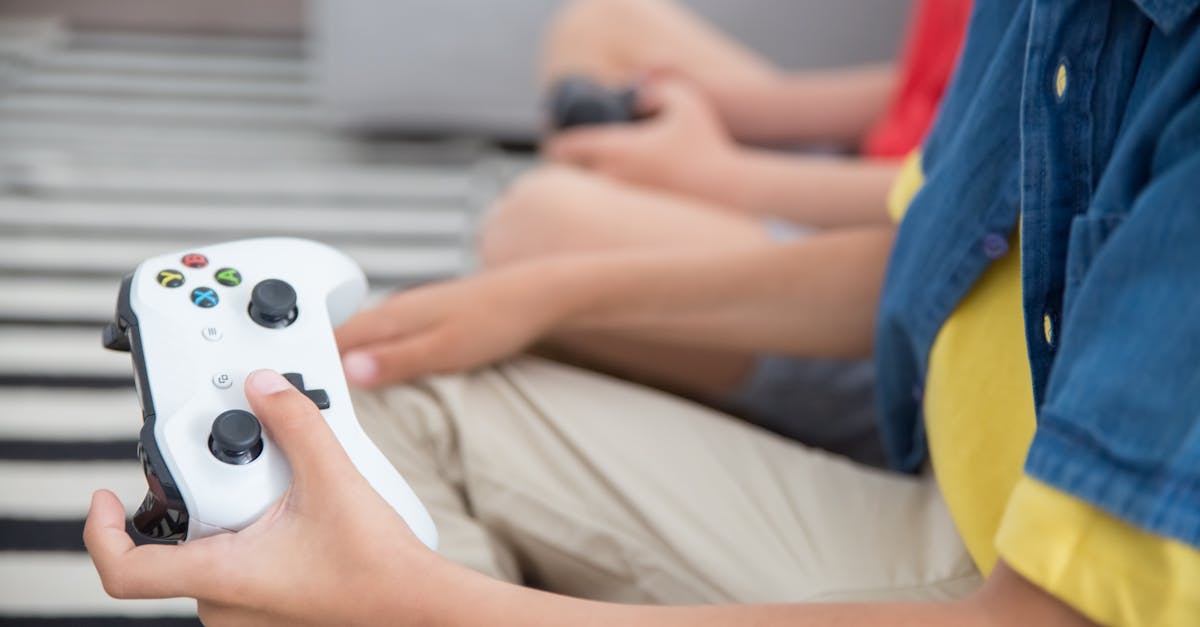 Photo: Kampus Production / Pexels
There's a catch, though.
Not All Games Are Created Equal
Here's where the nuance lives. The research supports game-based learning, not games in general. A game where your child identifies letters to unlock doors is fundamentally different from a game where they tap a screen to watch animations. One requires active cognition. The other requires a pulse — and there's a thirty-second test that tells you which is which before you ever hand your child the device.
The distinction matters. Effective educational games share specific qualities:
Reading is the mechanic, not an interruption. The best games don't pause gameplay to quiz the child. The reading IS the gameplay. Need to open a door? Read the word. Want to cross the bridge? Identify the letter. The child doesn't feel tested. They feel like they're solving a puzzle.
Failure is gentle. Young children are building confidence alongside literacy. A buzzer and a lost life create anxiety. A gentle shake and a prompt to try again create persistence. Every attempt is progress, even the wrong ones.
Multiple senses fire at once. Hearing a letter's sound while seeing it on screen and tapping it creates three memory pathways simultaneously. This multi-sensory approach is particularly powerful for pre-readers still connecting letter shapes to sounds — we go deeper into the dopamine and pattern-recognition side of this in a separate piece.
The challenge adapts. A three-year-old learning letter recognition needs different content than a six-year-old working on sight words. Good games know the difference.
The Honest Trade-offs
I'd be dishonest if I pretended games replace everything. They don't.
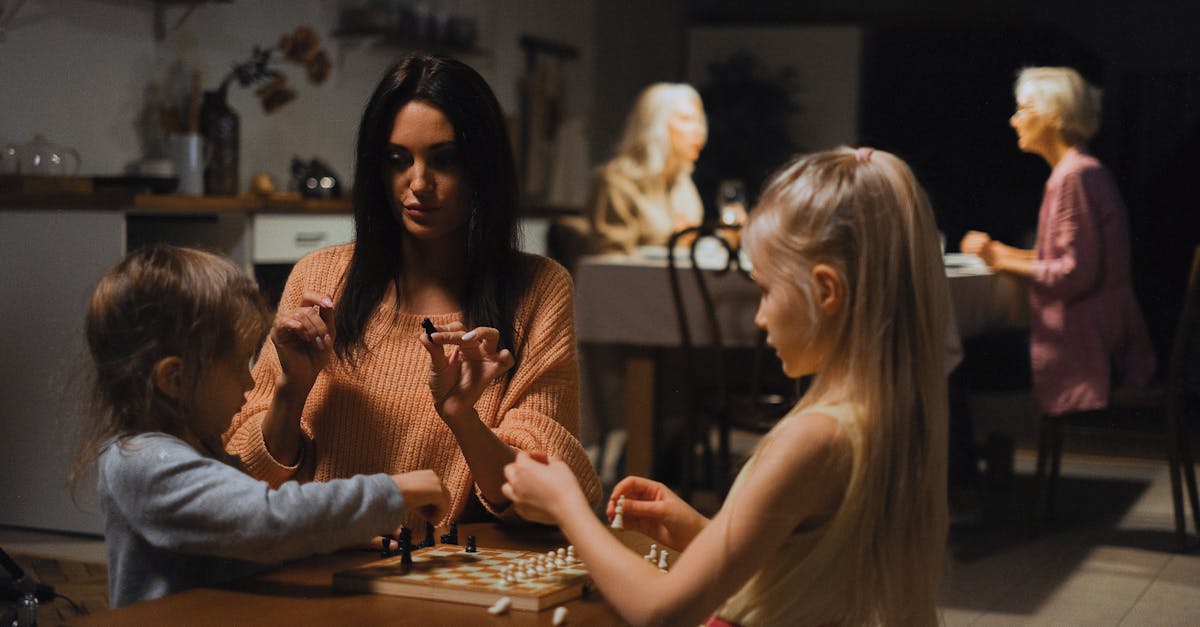 Photo: Anna Shvets / Pexels
A game cannot replicate the experience of a parent reading aloud to their child. It cannot replace the physical sensation of turning pages, or the bonding that happens when a bedtime story becomes a nightly ritual. Games are extraordinarily good at repetition, pattern recognition, and building automatic responses — exactly what letter recognition and sight word fluency require. They're less good at comprehension, narrative understanding, and the emotional connection to stories.
The ideal isn't games OR books. It's games AND books. The game builds the mechanical skills — letter recognition, phonics, sight word fluency — that make reading possible. The books build everything else. Here's how we think about screen time that actually counts when you're putting that mix together.
Gaming Is Good for Kids — Conclusion
The debate about whether games can teach children to read is settled. They can. The research is comprehensive and consistent. The question that remains is which games, how much, and alongside what else.
That's a much better question than "should my child be playing at all?" Because the answer to that one has been yes for a while now.
At EduQuest, we built a reading game where literacy IS the game mechanic — not a quiz that interrupts it. No ads in the game, no behavioural tracking on children, and challenges designed around the research that actually works. Create your child's profile and the Misty Isle is yours, free.